
Bend, Oregon · Family-owned since 2014
Appliance Installation Bend OR
A new appliance is only as good as its install, because a loose water line leaks. An unlevel washer shakes, and a kinked vent slows a dryer. Our Bend team installs appliances properly, then tests them before we leave.
Also searched as: appliance installation bend oregon · washer dryer installation bend or · appliance installation in Bend.
On every visit
- 1Call or book online
- 2On-site diagnosis — upfront flat-rate pricing
- 3We fix it fast with genuine OEM parts
- 490-day parts and labour guarantee
Mon–Sat 8am–6pm · 56857 Enterprise Dr, Sunriver, OR 97707, USA
Since 2014
Family-owned in Bend
Licensed & insured
Local team, not a call centre
Bend · Redmond
Central Oregon served
Mon–Sat 8am–6pm
Call for a visit
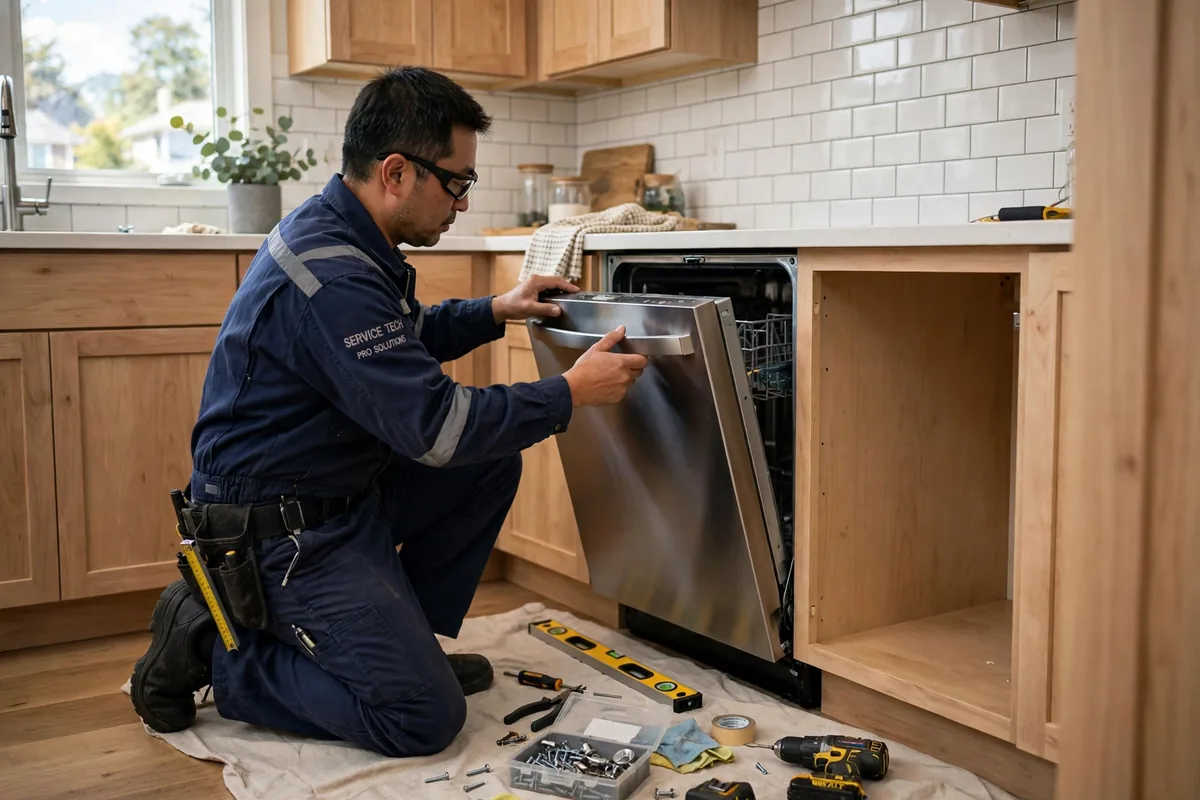
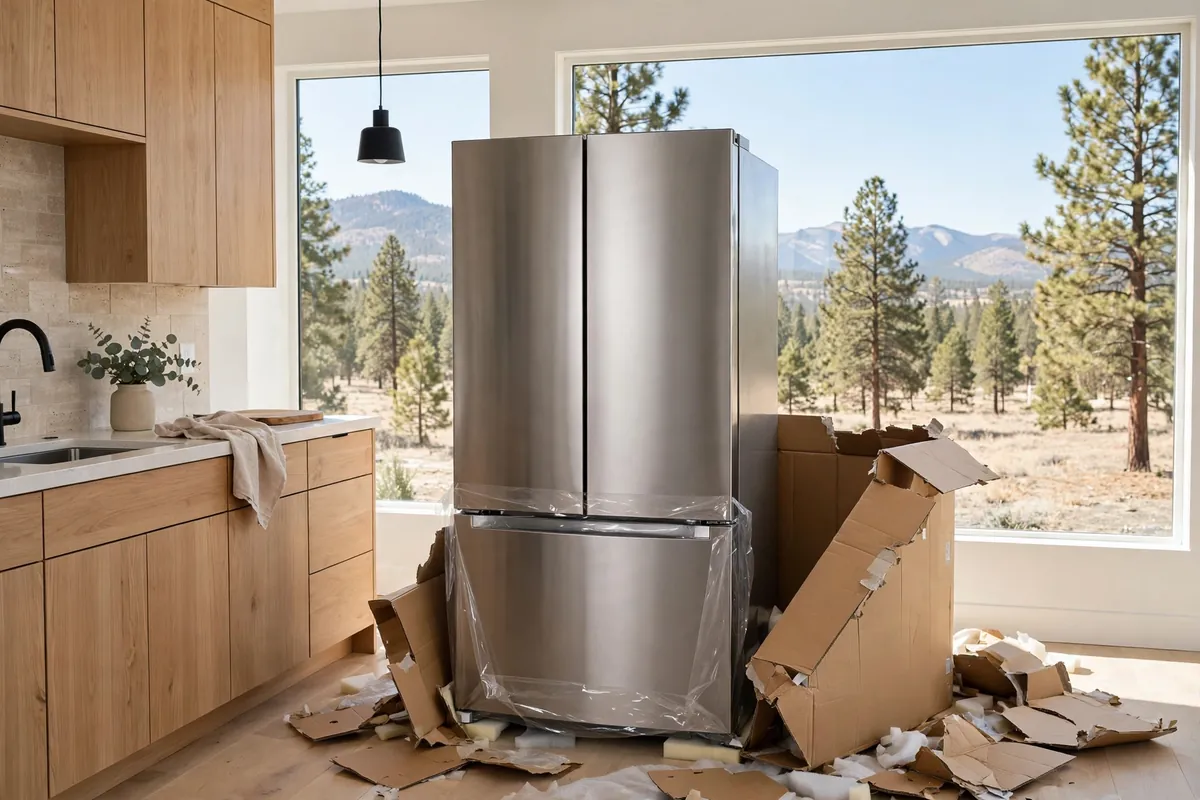
Appliance installation Bend OR covers fridges, washers, dryers, dishwashers, and over-range microwaves. We hook up water, drain, gas, and power safely, level the unit, and check for leaks.
Bend homes vary a lot, and older homes near downtown may have old shut-off valves. Newer homes in Northwest Crossing may have tight laundry closets. We check the hookups first, so the install does not stall halfway.
What to know before you call
- Appliance installation bend or specialists begin with careful measurement, proper electrical connections, and thorough diagnostic inspection.
- Fridges need temp settings, good cooling flow, and clear air space behind coils for steady temp control. Each fitting gets a full check and careful power tests.
- Washers need firm water hookups, correct drain height, and level feet to stop shakes, wear, and early faults.
- Dishwashers require sealed water connections and correct drain configuration to prevent condensation, sediment accumulation, and moisture damage.
- A good fit guards your warranty and adds years to your unit. Missing maker specs causes heat, compressor faults, and early failure. We inspect connections, calibrate controls, and verify safety features for optimal efficiency.
New builds around Northwest Crossing, Mountain View, and Larkspur often need first-time hookups. Older homes near the Old Mill District often need valve and hose upgrades. Those upgrades happen before a new unit can go in. We check valves, drains, and vent paths on every install visit.
Replacing worn appliances needs appliance installation bend or specialists who manage the transition from old equipment to efficient technology. Older downtown homes frequently have outdated electrical connections, corroded shut-off valves, and deteriorating supply lines requiring careful replacement first. Newer Northwest Crossing homes often feature compact laundry areas demanding precise measurement, thoughtful ventilation planning, and careful appliance positioning. Gas appliances demand extra attention, because secure gas connections, proper ventilation, and thorough leak detection protect households from malfunction. Our team has served Bend, Redmond, and Central Oregon since 2014, bringing licensed, insured expertise to every installation appointment.
01 — Symptoms
Signs your appliance needs attention
These are the faults we see most often in Bend homes, and every one has a clear cause. Each fault also has a safe next step, and we explain both below. If your symptom is not listed, call and describe it, because the cause is usually one of these.
How is a new fridge water line installed?
A fridge water line needs a clean shut-off valve, a proper fitting, and a leak check. A cheap saddle valve leaks over time, so we fit a proper valve and test the line under pressure.
We check the valve first, and if it is old or stiff, we tell you before we start. After hookup, we run the ice maker and water dispenser and check every joint for drips.
How should a new washer be installed?
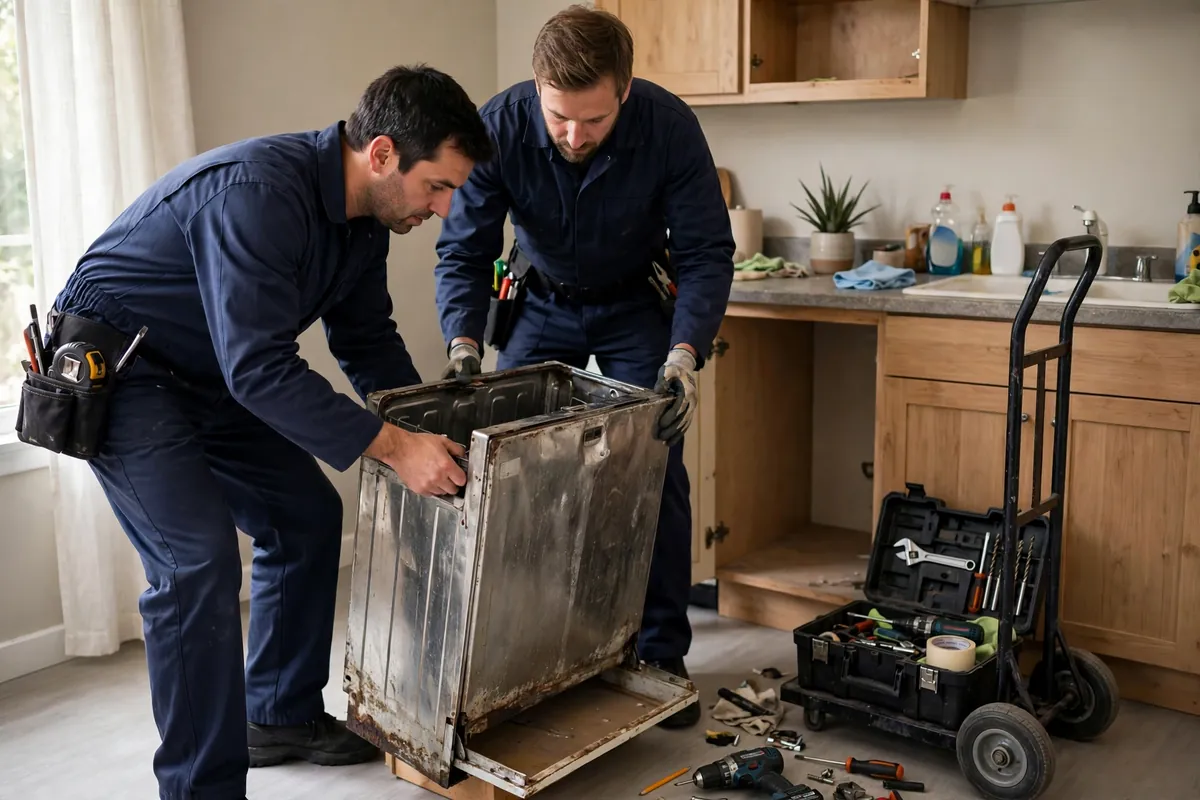
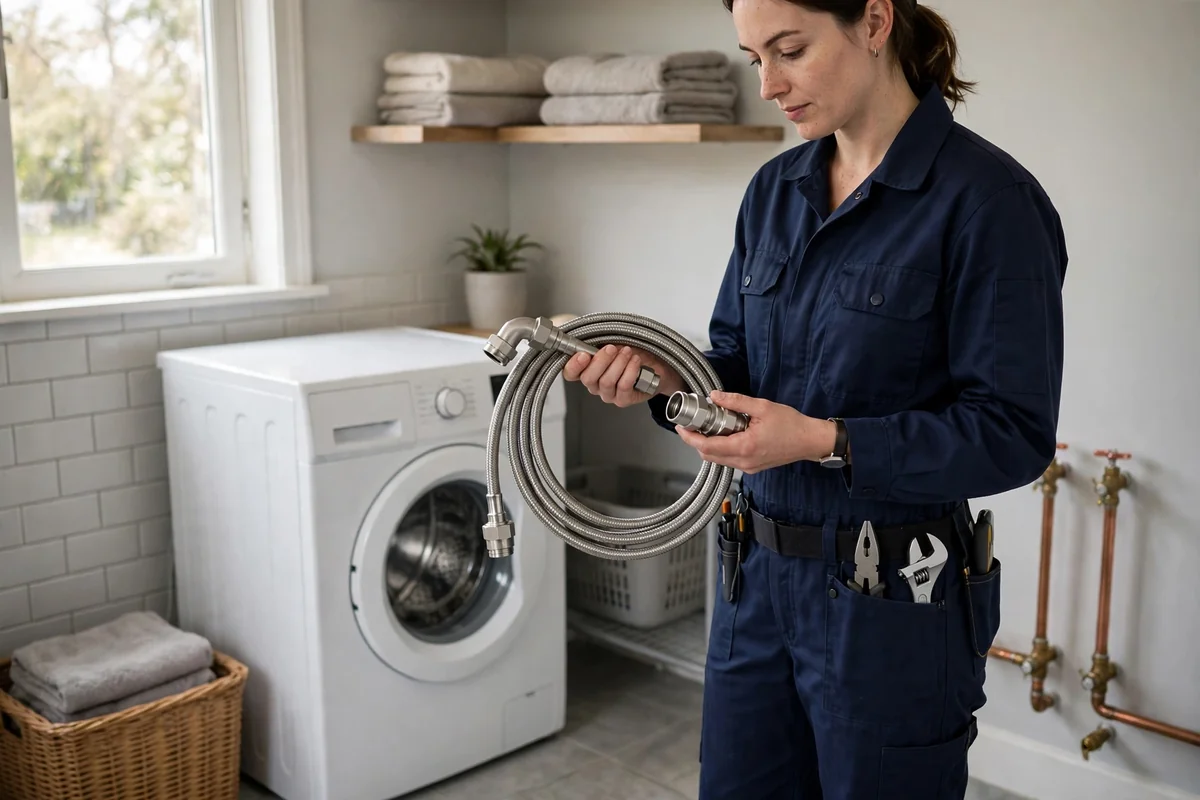
A washer needs level feet, tight hoses, and a clear drain, because an unlevel washer shakes and walks. A loose hose leaks behind the machine, where you cannot see it.
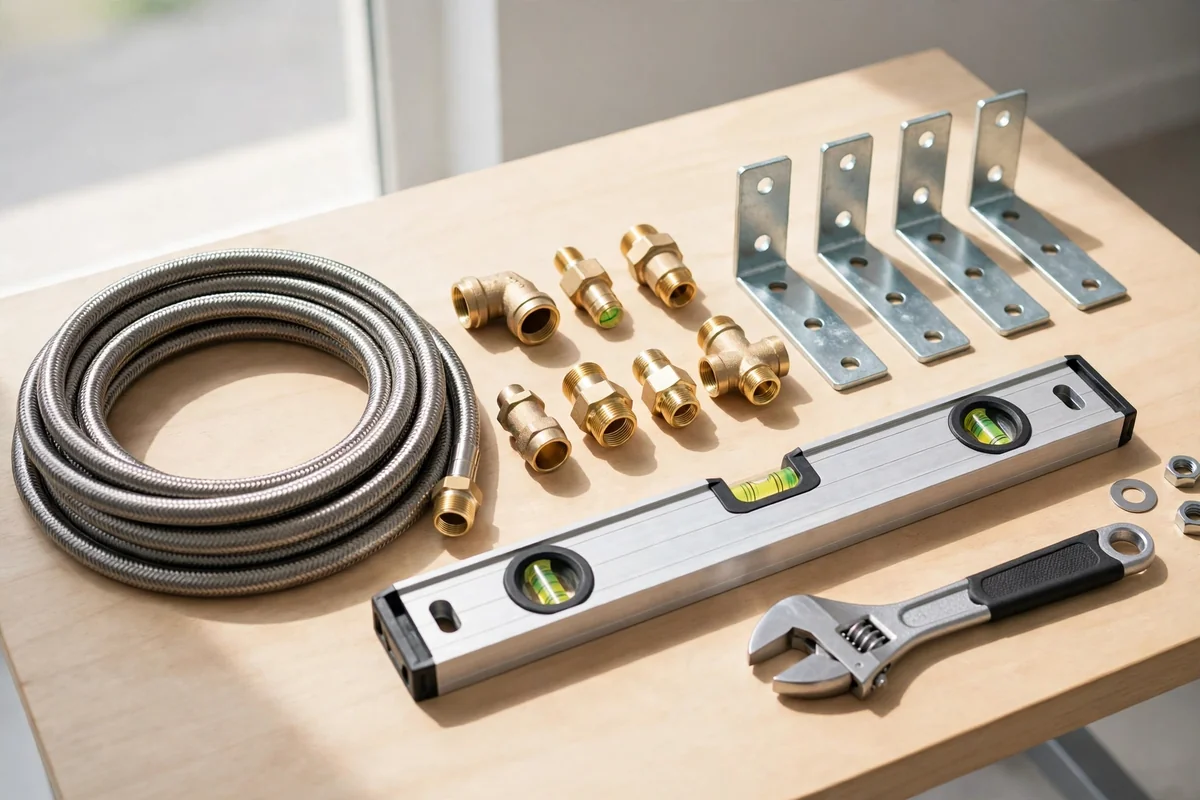
We level the feet with a spirit level, then fit new hoses and check the drain height. Then we run a full wash cycle and check for leaks and shaking.
How is a dryer vent installed safely?
A dryer vent must be short, straight, and metal where possible. Long plastic vents collect lint and slow drying, and a kinked hose is a fire risk.
We check the vent path first, then fit rigid or semi-rigid venting and test airflow. Gas dryers need a gas line check too, and we test the full dry cycle before we leave.
How is a new dishwasher installed?
A dishwasher needs water, drain, and power, all fitted right. The drain needs a high loop to stop dirty water flowing back. The door needs room to open fully.
We check the water valve, the drain loop, and the power supply. We level the unit, run a full wash and drain cycle, and check under the sink for leaks.
Why is my new refrigerator warm after installation?
A new refrigerator often needs hours for refrigerant circulation to stabilize, so internal temperatures reach proper calibration after startup. Restricted condenser ventilation causes warm operation, because inadequate airflow prevents heat dissipation and forces the compressor into inefficient cycles. Incorrect thermostat calibration and blocked evaporator airflow contribute to elevated temperatures during those first operating hours after installation.
Allow a full day for temperatures to stabilize, keeping doors closed while refrigerant circulation and thermostat calibration settle normally. Check coil air gaps meet maker specs, and confirm temp settings match the guide for fresh food. If warmth persists beyond a day, diagnostic inspection identifies whether installation positioning, electrical supply, or component malfunction requires correction.
Why is my new dishwasher leaking underneath?
Dishwasher leaks usually originate at water connections or door seals, where improper tightening or misalignment allows moisture to escape. Hard water speeds rust in old valves, and worn washers lose spring, making drips that harm cupboards and floors. Drain configuration causes leaks, because missing high loops allow backflow, while loose clamps permit moisture accumulation beneath the appliance.
Turn off water supply, mop moisture, and inspect visible connections for drips, corrosion, or deterioration before another wash cycle. Check the door seal for debris or sediment accumulation, and confirm the unit sits level, since misalignment prevents sealing. Diagnostic inspection traces leak sources, replaces worn fittings, and verifies drainage and electrical connections before restoring reliable service.
Why does my new oven keep tripping the breaker?
Oven breaker trips usually indicate electrical supply problems, because incorrect wiring, inadequate circuit capacity, or deteriorating connections create overloads. Modern ranges demand substantial electrical capacity, while older Bend homes often lack sufficient circuit protection for modern heating elements. Loose wire ends make too much heat, speeding wear, while bad elements cause short circuits.
Stop using the oven and avoid resetting the breaker, because repeated overloads damage electrical components and increase malfunction risk. Note whether trips occur during preheating or baking, since timing helps inspection identify whether elements or wiring cause problems. Licensed technicians verify circuit capacity, tighten connections, and test heating elements, ensuring safe electrical supply and reliable temperature regulation.
Table 1 — Symptom, cause, and next step
| Symptom | Possible cause | Next step |
|---|---|---|
| New fridge water line hookup | Old valve or poor fitting causes leaks | Check the valve, then book the install |
| Washer hookup and levelling | Unlevel feet or loose hoses cause shaking and leaks | Book an install with a full test cycle |
| Dryer vent hookup | Long or kinked vent slows drying and risks fire | Check the vent path, then book the install |
| Dishwasher install | Missing drain loop or loose fittings cause backflow | Check water and drain, then book the install |
02 — Diagnosis
What we check on a appliance installation bend or visit
A good diagnosis saves money, so we test parts in order, from the likeliest fault to the least likely. We show you what we found, and these are the parts and terms we check most: water line, shut-off valve, drain hose, vent hose, gas line, leveling feet, bracket, leak check, electrical supply, drain loop.
| Part | Symptom it causes | What we check |
|---|---|---|
| Shut-off valve | Old valve, leak risk | Test valve, fit proper valve if worn |
| Leveling feet | Shaking, walking | Level with spirit level, test cycle |
| Vent hose | Slow drying, lint build-up | Fit rigid venting, test airflow |
| Drain loop | Dirty water backflow | Fit high loop, test drain cycle |
| Wall bracket | Microwave unsafe, unlevel | Check studs, fit bracket, test fan |
Before the fit starts, a check takes measures, supply force, and power load, proving hookups meet maker specs. This careful preparation prevents delays, protects equipment warranties, and ensures efficient, reliable operation from the first cycle onward.
| Check | What we measure | Why it matters |
|---|---|---|
| Water pressure | Supply pressure and valve condition | Prevents leaks and connection failure |
| Electrical supply | Circuit capacity and outlet condition | Protects controls and prevents overloads |
| Ventilation clearance | Airflow space behind appliance | Ensures cooling and efficient operation |
03 — Repair or replace
Repair or replace? An honest answer for appliance owners in Bend
We use the 50% Rule. If the repair costs more than half of a new appliance, replacement usually makes more sense. If it costs far less, repair usually wins, and age matters too. Small parts on young machines are almost always worth fixing, while major faults on old machines rarely are. For appliance installation bend or, we give you the quote and your machine's age, then decide together.
Interactive tool — the 50% Rule
Repair or replace? Check in 10 seconds.
Type the numbers from your quote. If the repair costs more than half of a new unit, replacement usually makes more sense.
Repair is 28% of replacement cost.
Repair usually wins. The fix costs less than half of a new unit, and the appliance has life left.
This is a guide, not a quote. A technician confirms the fault and the real price on the visit.
| Situation | Repair cost | Our honest advice |
|---|---|---|
| New unit, proper install | A small cost vs the appliance | Install it right — protects warranty |
| Old valve or hose | Replace with the install | Worth it — stops future leaks |
| Long vent run | Vent upgrade with install | Worth it — faster drying, safer |
| Any install, no test | Always test before we leave | Never skip the test cycle |
04 — Your visit
How a visit works
1
Call or book online
Call or book online and describe the fault so we bring the right parts.
2
On-site diagnosis
We diagnose on site and give you upfront flat-rate pricing.
3
We fix it fast
Same-day service where possible, with genuine OEM parts fitted by a local technician.
4
90-day guarantee
Every repair carries a 90-day parts and labour guarantee, and we test a full cycle before we leave.
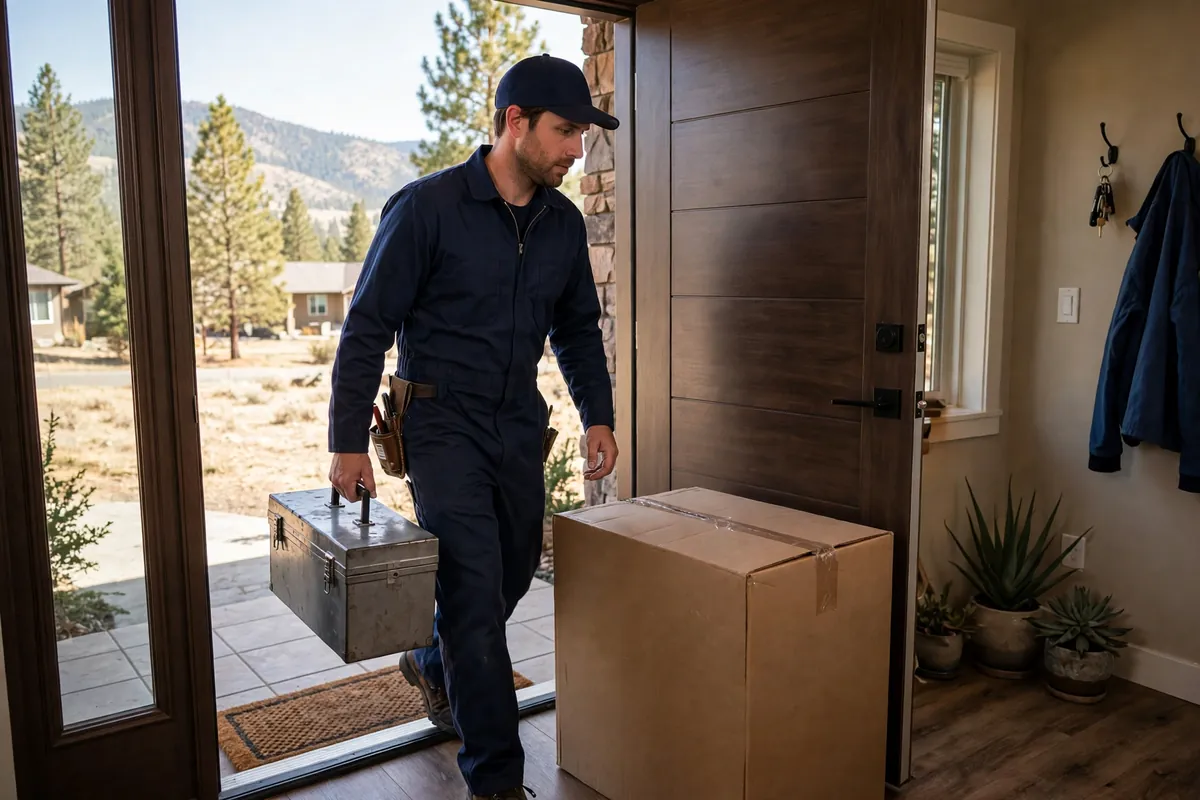
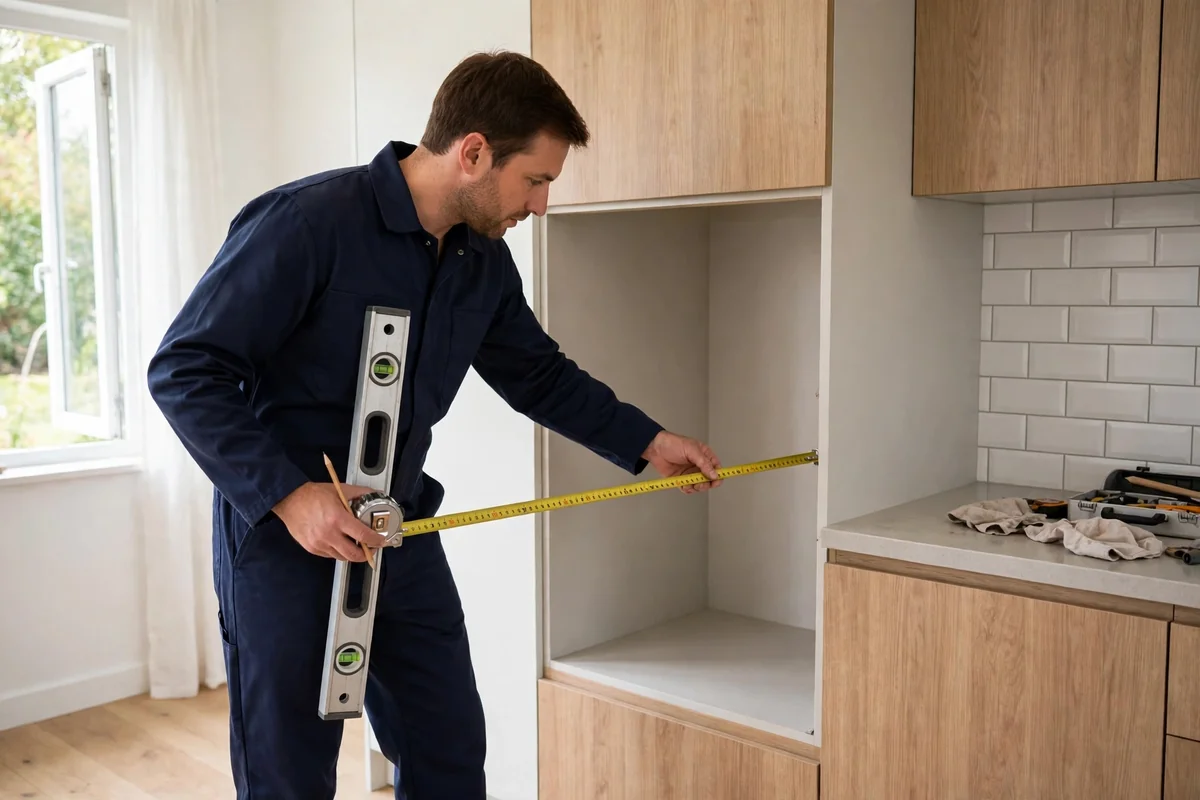
Every appliance installation bend or appointment begins with diagnostic inspection of hookups, measurements, and electrical connections before equipment moves. Our technician measures doorways, alcoves, and ventilation clearances, confirming proper fit and adequate airflow for efficient compressor operation. Water, drain, gas, and electrical connections receive careful examination, because corroded valves, sediment accumulation, and deteriorating hoses cause leaks. We explain valve replacement or ventilation adjustments before work begins, so you understand the scope and approve the quote. The fit moves step by step, with levelling, firm hookups, and temp checks for steady, smooth running.
After fitting, we run a test cycle, verifying wash, dry, heating, cooling, or ice production alongside careful leak inspection. Temp settings, door fit, and air gaps get a last check, because tweaks stop shakes, damp, and early wear. We demonstrate controls, explain maintenance routines, and discuss our 90-day parts and labour warranty on installation workmanship. Our team leaves the area clean and confirms connections, so your home stays tidy and your appliance operates efficiently. Same-day service is available where possible, and Mon–Sat 8am–6pm hours make scheduling convenient for busy Bend households and families.
05 — Choose well
How to choose a appliance installation bend or team in Bend
- Ask if hookups were checked before the install date, so the visit is not wasted.
- Ask for the quote, including any valve or hose work, so there are no surprise costs.
- Ask if a full test cycle is included, so you know the unit works before they leave.
- Check they are local to Bend, not a distant call centre, so the technician knows the area.
- Check they leave the area clean and the unit level, with no mess left behind.
- Ask whether comprehensive diagnostic inspection, thermostat calibration, and ventilation verification are included before installation begins.
- Check the installer carries proper licensing and insurance, and confirms warranty coverage for installation workmanship.
06 — Bend climate
Bend's high-desert climate and your appliance
Bend's hard water and dry air affect installs too. Hard water scales new valves fast, and dry air cracks old rubber hoses. Winter cold can freeze a water line in an unheated laundry room. We fit new hoses and valves and check frost risk on every install. If the unit is second-hand, check recalls first — a recalled appliance should not be installed. We can recycle your old appliance when the new one goes in. The EPA guide shows what happens to old units.
Seasonal stresses to watch for
- Summer heat strains cooling power, because garage fridges work harder in hot air. Appliance installation bend or teams position garage units away from sunlight and confirm condenser airflow for temperature regulation.
- Desert dust seeps into laundry rooms, clogging air vents, coating wiring, and speeding wear without routine upkeep.
- Elevation affects gas combustion and ventilation, so calibration, adequate airflow, and diagnostic inspection ensure efficient operation at 3,600 feet.
High-desert climate shapes every appliance installation bend or appointment, because dry air and temperature swings stress connections and components. Winter lows reach the teens, and water lines in unheated garages need insulation protection against freezing and burst deterioration. Deschutes County hard water deposits sediment inside valves, accelerating corrosion and reducing efficiency unless maintenance addresses mineral buildup. Wildfire smoke infiltrates garages, coating condenser coils with particulate matter that restricts ventilation, reduces efficiency, and strains refrigeration circulation. Vacation homes sit empty for weeks, and stagnant water, dried seals, and dust accumulation demand diagnostic inspection before installation.
What Bend neighbours say
We collect reviews from real customers after every visit and publish them with their permission. No review appears here until it is real and verified — all stats to be confirmed before going live. The live site describes the business as family-owned since 2014, licensed, insured, and 5-star rated on Google.
07 — FAQs
appliance installation bend or — frequently asked questions
Short, direct answers, each starting with the point, so it works for readers and for AI answers too.
Yes — we install fridges, washers, dryers, dishwashers, and microwaves bought anywhere. We check hookups first and tell you if a valve or hose needs replacing.
Most installs take one to two hours, including hookup, levelling, and a full test cycle. Old valves or long vent runs can add extra time to the visit. [TO VERIFY] Confirm typical times with the business.
Ask when you book, because removal depends on the unit and the access. [TO VERIFY] Confirm removal service with the business.
It is usually unlevel feet or transit bolts left in. We level the machine and remove transit bolts, then test a full spin cycle.
Yes — older homes often need a valve or drain upgrade first. We check the hookups and tell you what is needed before we start.
Yes — every install ends with a full test cycle and a leak check. The test cycle fits the unit — wash, dry, heat, or ice.
New hoses and valves are recommended, because old rubber deteriorates, sediment restricts flow, and corroded connections leak behind appliances. Our technician inspects connections during diagnostic inspection and explains replacement needs before installation, so you approve additional work confidently. Fresh hoses and secure fittings protect flooring and cabinetry from moisture damage while ensuring temperature regulation and efficient operation. A diagnostic fee applies, and the amount is confirmed when booking, so you know costs before the technician arrives.
Yes, we install appliances in garages and vacation homes, accounting for temperature extremes, ventilation, and conditions throughout Central Oregon. Garage installations need insulation assessment and thermostat calibration, because unheated spaces challenge refrigeration efficiency during winters and summers. Vacation homes need water-line protection and diagnostic inspection after vacancy, since stagnant water and dried seals cause leaks. Call (541) 422-4646 to schedule, and our licensed team will confirm requirements and arrange a convenient Mon–Sat appointment.
We also fix appliances across Central Oregon
The same team serves Redmond, Sisters, Sunriver, La Pine, and Bend neighbourhoods, so choose your area for local details.
Other services in Bend
Request a visit
Tell us the appliance and the symptom — we reply with a visit slot.
Need appliance installation bend or?
Call (541) 422-4646 — Mon–Sat 8am–6pm. Tell us the fault, and we will book a visit and give you a clear quote before work starts.
Call (541) 422-4646