
Bend, Oregon · Family-owned since 2014
Dryer Repair Bend OR
A dryer that will not heat turns laundry day into a long wait. Clothes come out damp, and the machine runs for hours. Our Bend team finds the cause fast, from a blown thermal fuse to a worn heating element.
Also searched as: dryer repair bend oregon · clothes dryer repair bend or · dryer repair in Bend.
On every visit
- 1Call or book online
- 2On-site diagnosis — upfront flat-rate pricing
- 3We fix it fast with genuine OEM parts
- 490-day parts and labour guarantee
Mon–Sat 8am–6pm · 56857 Enterprise Dr, Sunriver, OR 97707, USA
Since 2014
Family-owned in Bend
Licensed & insured
Local team, not a call centre
Bend · Redmond
Central Oregon served
Mon–Sat 8am–6pm
Call for a visit
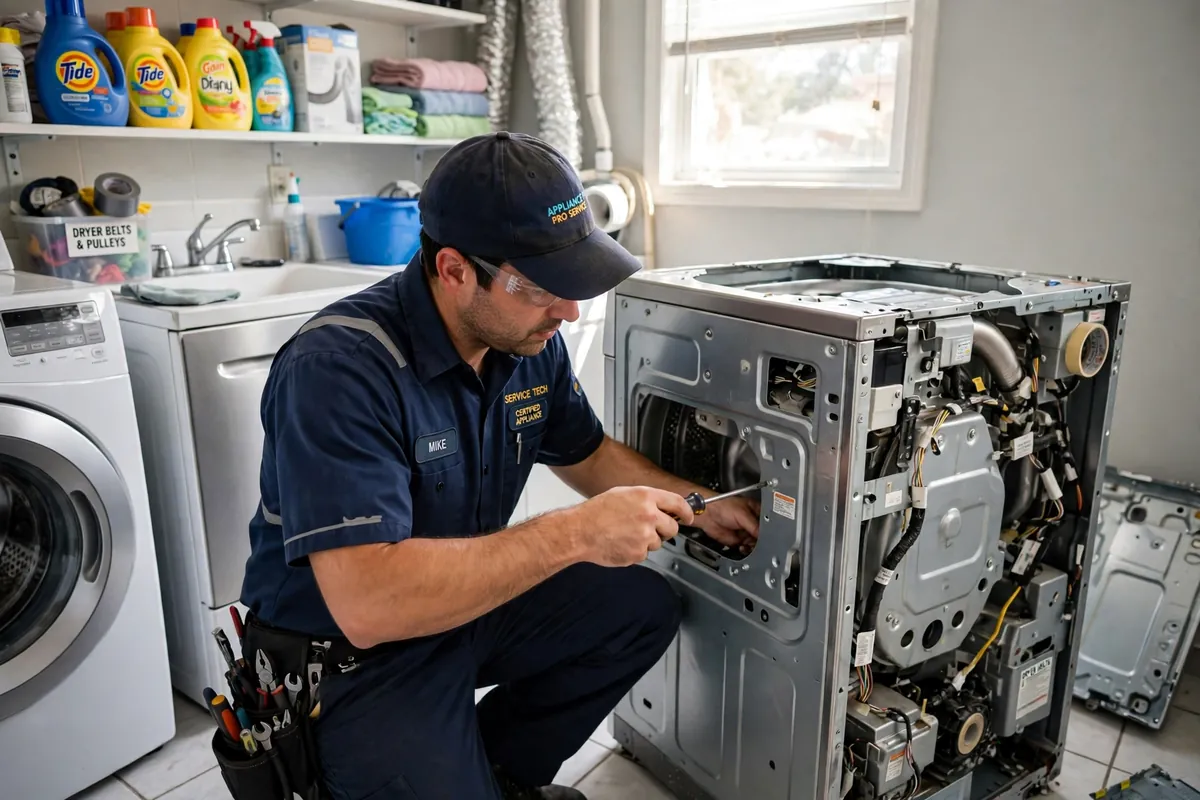
Dryer repair Bend OR covers electric and gas dryers. We fix no-heat faults, slow drying, squealing drums, dryers that will not spin, and dryers that will not start. We work in Bend, Redmond, and across Central Oregon.
Slow drying is often a vent problem, not a dryer problem. Bend homes with long vent runs through attics and crawl spaces collect lint fast. A clogged vent is also a fire risk, so we check the vent on every slow-drying call. If the dryer is past repair, the yellow EnergyGuide tag shows what a new one costs to run yearly.
What to know before you call
- Dryers support Bend households for approximately a decade, although heating elements and drum rollers deteriorate under continuous thermal stress.
- Lint accumulation restricts ventilation, compelling the heating element into extended operational cycles that accelerate deterioration and elevate combustion risk.
- Scheduling dryer repair bend or diagnostic inspections prevents ventilation deficiencies from propagating to the motor, thermostat, and control board.
- Drum belts elongate, idler pulleys deteriorate, and thermal fuses progressively weaken with age, producing symptoms experienced technicians recognize immediately.
- Our technicians comprehend Bend laundry installations, from confined closets in aging residences to extended attic ventilation runs. Ventilation configurations, gas connections, and electrical supplies fluctuate considerably between residential neighborhoods and construction eras.
Many Bend homes have long dryer vents that run through attics, where summer heat and winter cold both matter. Dust from the high desert adds to lint build-up. Around Northwest Crossing and Mountain View, newer homes have longer vent runs that bend more, so they clog faster. We inspect the full vent path, not just the dryer.
A clothes dryer combines electrical heating elements and airflow, subjecting bearings, transmission belts, and thermostats to intense thermal stress. When drying performance deteriorates, dryer repair bend or delivers professional diagnostic evaluation, identifying the defective component before any replacement. Electric dryers utilize heating elements and thermostats, while gas dryers depend on igniters, flame sensors, and solenoid valve coils. Our technicians comprehend both configurations comprehensively, evaluating heating circuits, thermal regulation, and ventilation to isolate the source of malfunction. Accurate diagnostic evaluation safeguards your budget, restores operational efficiency, and prevents an insignificant malfunction from becoming a safety hazard.
01 — Symptoms
Signs your dryer needs attention
These are the faults we see most often in Bend homes, and every one has a clear cause. Each fault also has a safe next step, and we explain both below. If your symptom is not listed, call and describe it, because the cause is usually one of these.
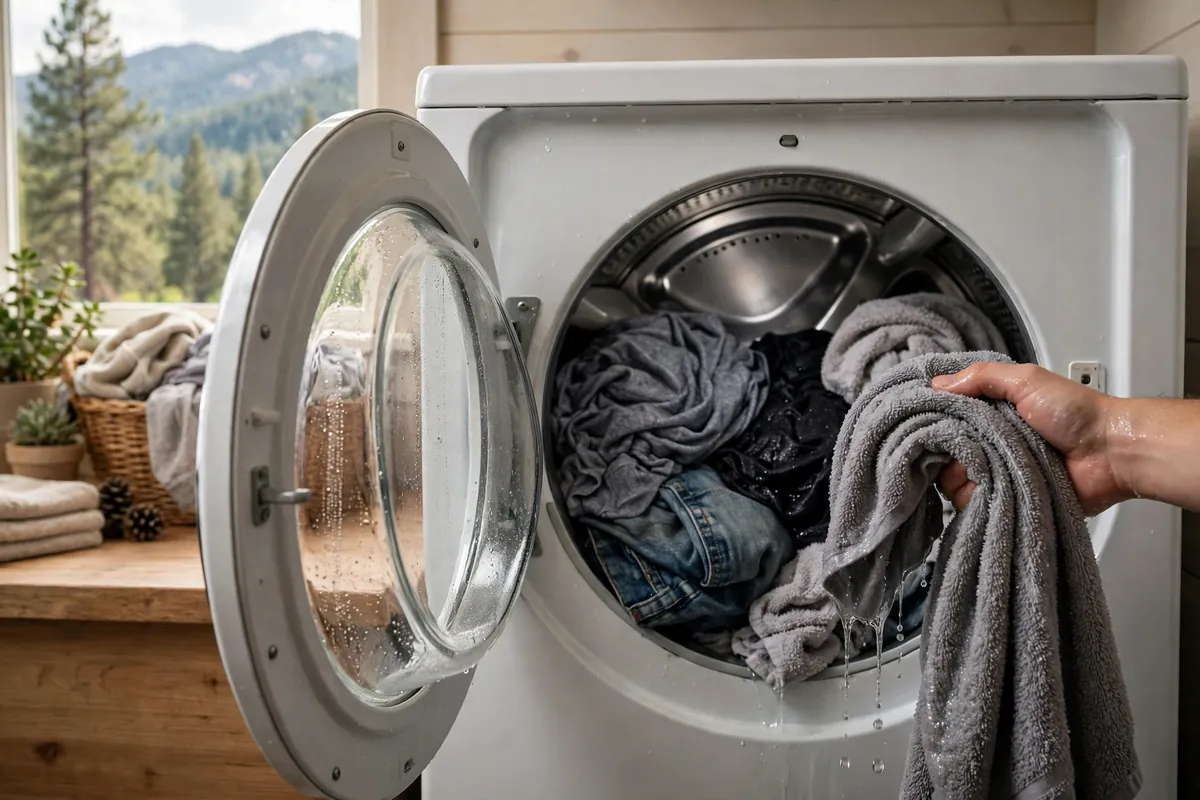
Why is my dryer not heating?
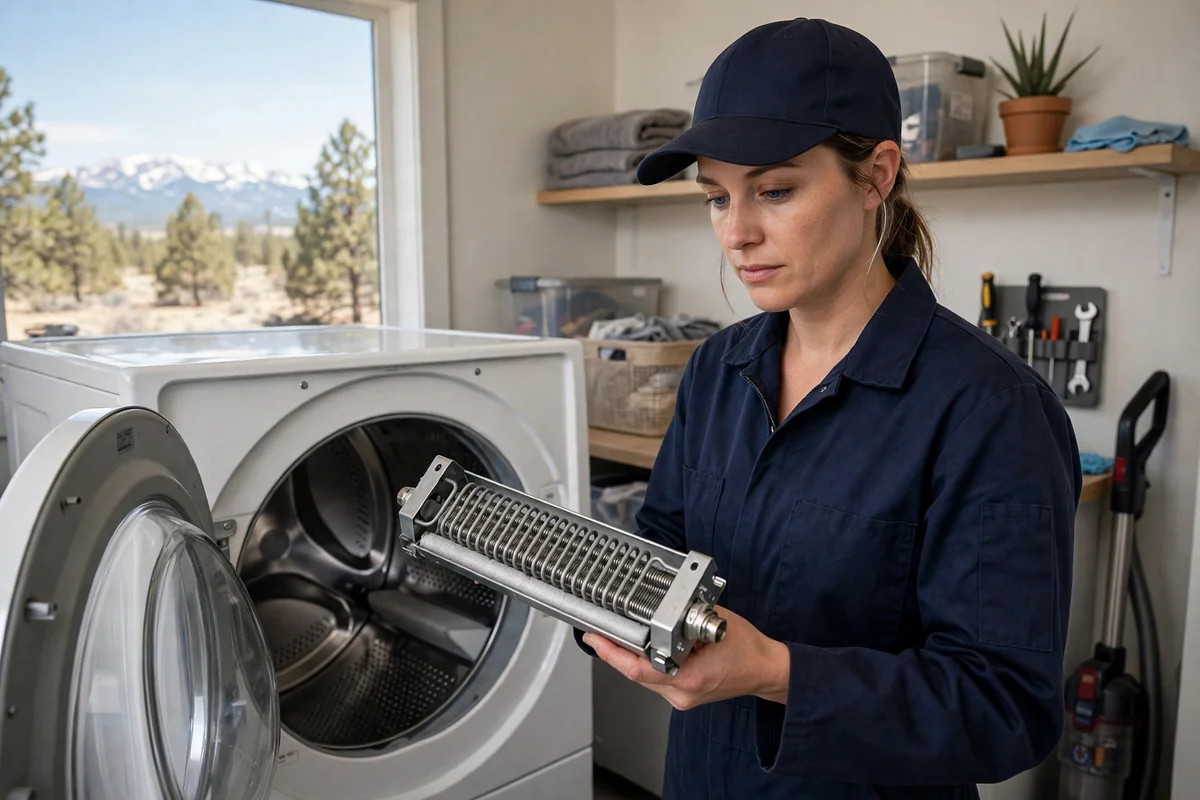
A dryer that spins but blows cold air usually has a failed heating element or a blown thermal fuse. The fuse blows when the dryer overheats, often because the vent is clogged.
Clean the lint trap and check the vent outside for airflow. If airflow is weak, the vent is the first thing to clear. If airflow is strong and the air stays cold, the element or fuse needs testing. We test both, and we check why the fuse blew.
Why does my dryer take 2–3 cycles to dry clothes?
Slow drying almost always means weak airflow, as lint builds up in the vent, the trap, and the hose. Moist air cannot escape, so clothes stay damp, and the dryer runs longer and uses more power.
Clean the lint trap every load, and check the outside vent flap opens fully. If drying is still slow, the vent run needs a full clean. We clean vents and test airflow, and we flag any crushed or kinked hose.
Why is my dryer making a squealing noise?
A high squeal on spin usually comes from worn drum rollers or a dry idler pulley. The noise starts soft, then grows louder, and it will not fix itself, so the belt can fail next.
Stop using the dryer if the noise is loud or the drum feels stiff. Note when the noise starts: at the start, or all through the cycle. We replace rollers, pulleys, and belts together when wear is clear.
Why won't my dryer spin?
A dryer that hums but will not spin usually has a broken drum belt. The motor runs, but the drum gets no drive, and sometimes a worn roller jams the drum instead.
Switch the dryer off and try to turn the drum by hand. If it spins freely with no grip, the belt is likely broken. If it will not move, something is jammed, so we fit belts and rollers and check the motor.
Why does my dryer overheat and leave clothes extremely hot?
An overheating dryer typically indicates thermostat calibration failure or restricted ventilation retaining excessive thermal energy inside the metal cabinet. Malfunctions compel the heating element to operate beyond its engineered duration, scorching fabrics and accelerating deterioration of internal components. Persistent overheating additionally compromises the thermal fuse, which may fail without warning and leave the dryer unable to heat.
Discontinue using an overheating dryer immediately, because excessive temperatures potentially generate a considerable combustion risk inside the ventilation system. Clean the lint trap, verify exterior ventilation airflow, immediately telephone our team to evaluate the thermostat and heating element. Thermostat replacement remains relatively straightforward, and the majority of dryer repairs cost $100–$350 according to our published cost guide.
Why does my dryer keep tripping the breaker?
A dryer tripping its circuit breaker indicates an electrical malfunction, such as a heating element short-circuiting to the housing. A deteriorating motor drawing excessive electrical current produces the same effect, as does deteriorated wiring inside the terminal block. Repeated tripping indicates a significant electrical deficiency, because the breaker safeguards your residence from overheating circuits and electrical fires.
Never repeatedly reset a tripping breaker, because each reset threatens additional deterioration to the dryer and your electrical system. Deactivate the dryer at the breaker, subsequently telephone our team for a professional diagnostic inspection of the heating element. Technicians evaluate electrical resistance, insulation integrity, and electrical connections before recommending repair, because accurate electrical diagnosis prevents recurring malfunctions.
Why does my dryer shut off before clothes are dry?
A dryer shutting off prematurely indicates moisture sensor bars are contaminated, erroneously signalling that the laundry load is dry. Fabric softener and dryer sheets deposit an insulating residue on sensors, disrupting the delicate electrical readings controlling cycle duration. A defective electronic control board can generate identical symptoms, terminating operational cycles prematurely when sensors themselves remain perfectly clean.
Decontaminate the sensor bars inside the drum with a soft cloth and white vinegar, then operate a test load. If premature shut-off continues, our technicians comprehensively evaluate the moisture sensors, wiring, and electronic control board for electrical malfunction. We additionally evaluate the ventilation system, because restricted airflow distorts sensor readings and abbreviates cycles before clothes are dry.
Table 1 — Symptom, cause, and next step
| Symptom | Possible cause | Next step |
|---|---|---|
| Dryer not heating | Failed heating element or blown thermal fuse | Check vent airflow, then book an element test |
| Dryer takes too long to dry | Clogged dryer vent or crushed vent hose | Clean the trap, check the flap, book a vent clean |
| Dryer squealing or squeaking | Worn drum rollers or idler pulley | Stop the dryer if loud, then book a drum check |
| Dryer drum will not spin | Broken drum belt or jammed roller | Switch off, test the drum by hand, then call |
02 — Diagnosis
What we check on a dryer repair bend or visit
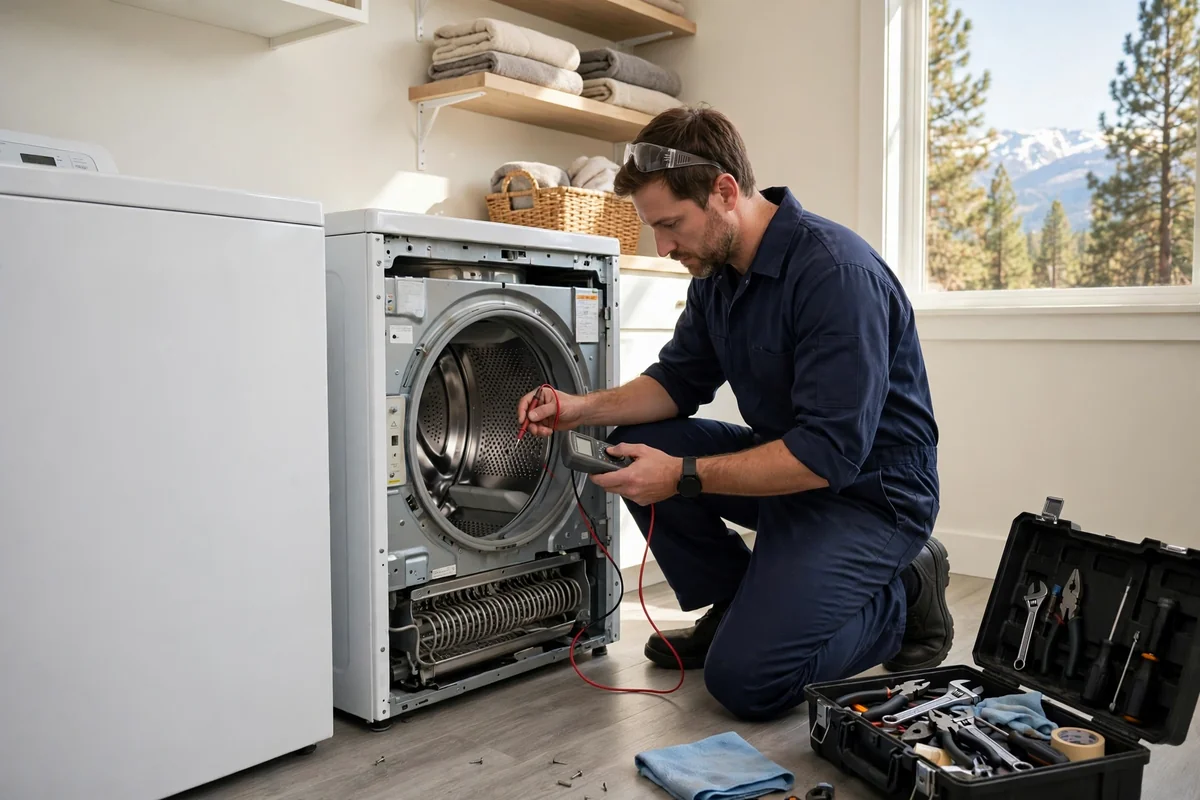
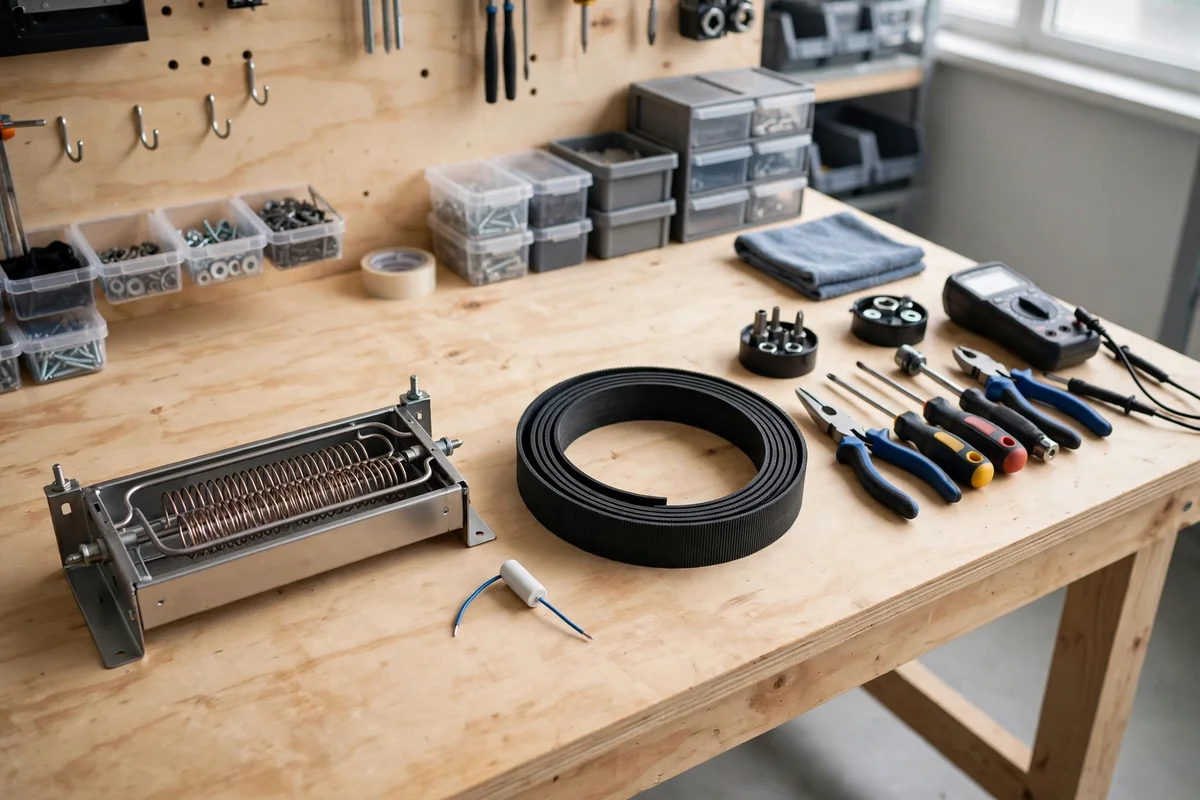
A good diagnosis saves money, so we test parts in order, from the likeliest fault to the least likely. We show you what we found, and these are the parts and terms we check most: heating element, thermal fuse, igniter, flame sensor, drum belt, dryer vent, lint trap, drum rollers, door switch, gas valve coils.
| Part | Symptom it causes | What we check |
|---|---|---|
| Heating element | Spins but blows cold air | Test element, thermal fuse, and thermostat |
| Dryer vent | Slow drying, damp clothes | Clean full vent run, test airflow |
| Drum belt | Hums but drum will not spin | Fit belt, check rollers and motor |
| Drum rollers | Squealing on spin | Replace rollers and idler pulley |
| Thermal fuse | No heat, no start | Test fuse, find why it blew, fix the cause |
Beyond diagnostic procedures, our technicians meticulously and systematically evaluate critical internal components that deteriorate progressively over extended operational periods. These components exhibit no discernible symptoms until the dryer stops generating heat, so diagnostic inspection prevents unanticipated laundry disruption. Understanding component lifespans assists homeowners evaluating whether repair or replacement offers superior value for a dryer of their age.
| Component | Usual lifespan | Warning sign |
|---|---|---|
| Heating element | 8–12 years | Cold air, no heat |
| Drum rollers | 7–10 years | Squealing, thumping noise |
| Thermal fuse | 10–15 years | Sudden no-heat failure |
03 — Repair or replace
Repair or replace? An honest answer for dryer owners in Bend
We use the 50% Rule. If the repair costs more than half of a new dryer, replacement usually makes more sense. If it costs far less, repair usually wins, and age matters too. Small parts on young machines are almost always worth fixing, while major faults on old machines rarely are. For dryer repair bend or, we give you the quote and your machine's age, then decide together.
Interactive tool — the 50% Rule
Repair or replace? Check in 10 seconds.
Type the numbers from your quote. If the repair costs more than half of a new unit, replacement usually makes more sense.
Repair is 28% of replacement cost.
Repair usually wins. The fix costs less than half of a new unit, and the appliance has life left.
This is a guide, not a quote. A technician confirms the fault and the real price on the visit.
| Situation | Repair cost | Our honest advice |
|---|---|---|
| Under 8 years, fuse or belt | Less than half the cost of new | Repair — usually the smart choice |
| 8–10 years, element or motor | Near half the cost of new | Get a quote first, then decide |
| Over 10 years, drum or motor fault | More than half the cost of new | Replace — put money into a new unit |
| Any age, vent clog | A vent clean, not a new dryer | Clean the vent — fast and worth it |
04 — Your visit
How a visit works
1
Call or book online
Call or book online and describe the fault so we bring the right parts.
2
On-site diagnosis
We diagnose on site and give you upfront flat-rate pricing.
3
We fix it fast
Same-day service where possible, with genuine OEM parts fitted by a local technician.
4
90-day guarantee
Every repair carries a 90-day parts and labour guarantee, and we test a full cycle before we leave.
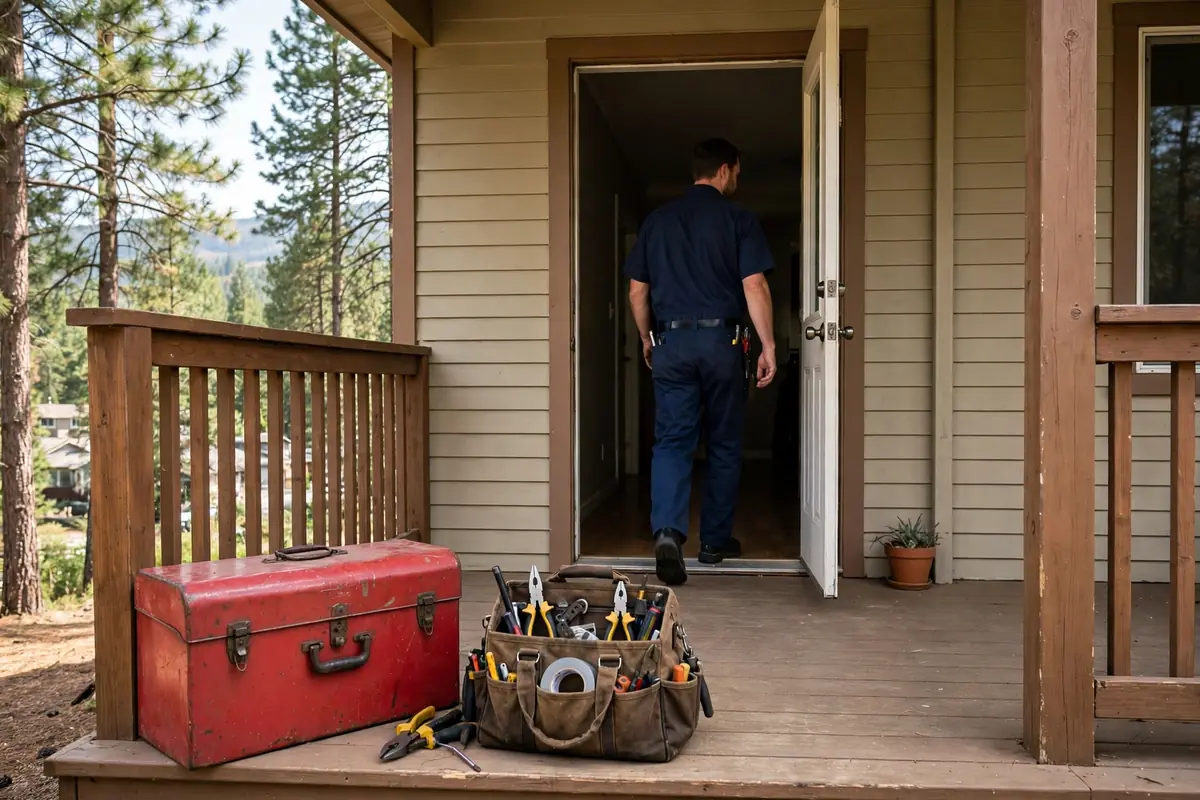
Every dryer repair bend or visit commences with diagnostic testing, tracing the malfunction to its source before component replacement. Our technician assesses the heating element, thermal fuse, and thermostat calibration, then evaluates the drum belt, rollers, and airflow. After diagnostic testing confirms the malfunction, our technician presents a written quotation encompassing parts, labour, and the diagnostic fee. Work commences after you authorize the quotation, and most dryer repairs cost $100–$350 according to our published cost guide. Common replacement components accompany our technicians, so numerous dryer repairs conclude in a single visit without frustrating ordering delays.
After installing the replacement component, our technician operates a drying cycle, verifying thermal output, ventilation airflow, and drum rotation. That verification matters, because a dryer can appear repaired while an underlying ventilation malfunction continues seriously undermining operational performance. We additionally clean the lint trap housing and inspect the ventilation outlet, remediating blockages that could generate another breakdown.
05 — Choose well
How to choose a dryer repair bend or team in Bend
- Ask if the vent was checked, not just the dryer, since the vent is often the real fault.
- Ask for the fault in plain words, not just a part name or a code.
- Ask for the quote before any work starts, so you know the full cost upfront.
- Check they test a full dry cycle after the fix, not just start the machine and leave.
- Check they are local to Bend, not a distant call centre, so the technician knows the area.
- Ask whether the technician inspects the full vent path, not only the dryer itself, during every visit.
- Check whether the quoted price covers vent cleaning as well as the repair itself, with no hidden extras.
06 — Bend climate
Bend's high-desert climate and your dryer
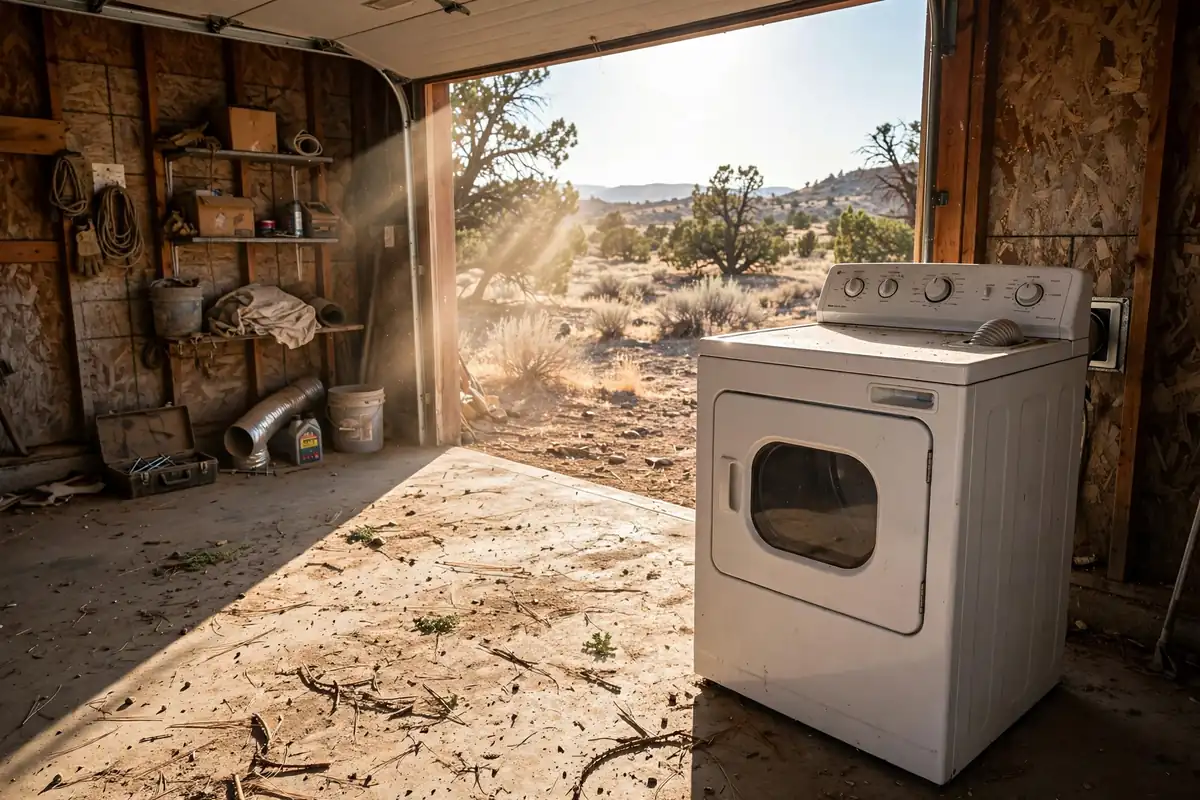
Bend's dry air and dust make dryer vents clog faster. Lint mixes with fine dust and packs tight in long vent runs. Summer heat in attics bakes lint dry, and winter cold can stiffen vent flaps. We clean the full vent path and test airflow, because a clean vent fixes drying and improves safety.
Seasonal stresses to watch for
- Many Bend households position dryers in unheated garages, exposing them to subfreezing winter temperatures regularly falling into the teens.
- Subfreezing conditions stiffen ventilation flaps and drive belts, while elevated garage temperatures compel the heating element to operate continuously.
- Vacation residences face seasonal hazards, and dryer repair bend or technicians rehabilitate dryers left dormant through winter absences. Attic ventilation runs experience extreme seasonal temperature variations, desiccating lint in summer and condensing moisture inside frigid ductwork.
Bend sits at 3,600 feet in the high desert, where arid conditions and particulate dust influence dryer performance year-round. That climate renders dryer repair bend or a year-round necessity, as particulate dust accumulates relentlessly inside residential ventilation ducts. Arid air desiccates elastomeric seals and belts, producing microscopic fissures that reduce operational efficiency and necessitate premature component replacement. High-desert particulate dust combines with lint inside ventilation runs, consolidating tightly and restricting airflow considerably faster than lint alone. Wildfire smoke contributes microscopic particulates to seasonal ventilation deposits, coating internal mechanisms and necessitating frequent professional diagnostic decontamination.
What Bend neighbours say
We collect reviews from real customers after every visit and publish them with their permission. No review appears here until it is real and verified — all stats to be confirmed before going live. The live site describes the business as family-owned since 2014, licensed, insured, and 5-star rated on Google.
07 — FAQs
dryer repair bend or — frequently asked questions
Short, direct answers, each starting with the point, so it works for readers and for AI answers too.
Most dryer repairs in Bend cost $100–$350, and a replacement runs $500–$1,500. Both figures come from the business's own cost guide on bendorappliancerepair.com, checked 2026-11-08. A dryer thermal fuse costs $85–$150, and we diagnose first and quote before work.
The usual causes are a failed heating element or a blown thermal fuse. A clogged vent often makes the fuse blow, so we test the element, the fuse, and the vent.
Lint build-up in the vent or near the heater is the common cause. Stop the dryer, clean the trap, and book a vent clean and a heater check if the smell stays.
Once a year is a good rule for most homes. Long vent runs and large households need it more often, and slow drying is the clearest warning sign.
For a fuse, belt, or element, yes, repair is worth it. For a motor or drum fault on a dryer over 10 years old, replacement is often better. We use the 50% Rule with you to decide.
Gas dryers use an igniter, a flame sensor, and gas valve coils. If the igniter glows but no flame follows, the coils or sensor are likely at fault. Gas work needs a technician.
Slow drying is the clearest warning, as clothes remain damp after a full cycle despite normal heat. Check the outside vent while the dryer runs, because weak airflow at the flap indicates a restriction inside. A hot laundry room, a musty odour, and lint visible around the vent connection also suggest a blocked vent. Our team cleans the full vent path and tests airflow, restoring efficiency and reducing fire risk.
Running a dryer unattended carries unnecessary risk, because lint ignition can escalate rapidly before anyone notices smoke. Never run the dryer while sleeping or away from home, and always clean the lint trap before every load. Annual professional vent cleaning removes accumulation that household cleaning cannot reach, significantly reducing fire risk in Bend homes. If your dryer smells of burning, stop it immediately and call our team at (541) 422-4646.
We also fix dryers across Central Oregon
The same team serves Redmond, Sisters, Sunriver, La Pine, and Bend neighbourhoods, so choose your area for local details.
Other services in Bend
Request a visit
Tell us the appliance and the symptom — we reply with a visit slot.
Need dryer repair bend or?
Call (541) 422-4646 — Mon–Sat 8am–6pm. Tell us the fault, and we will book a visit and give you a clear quote before work starts.
Call (541) 422-4646